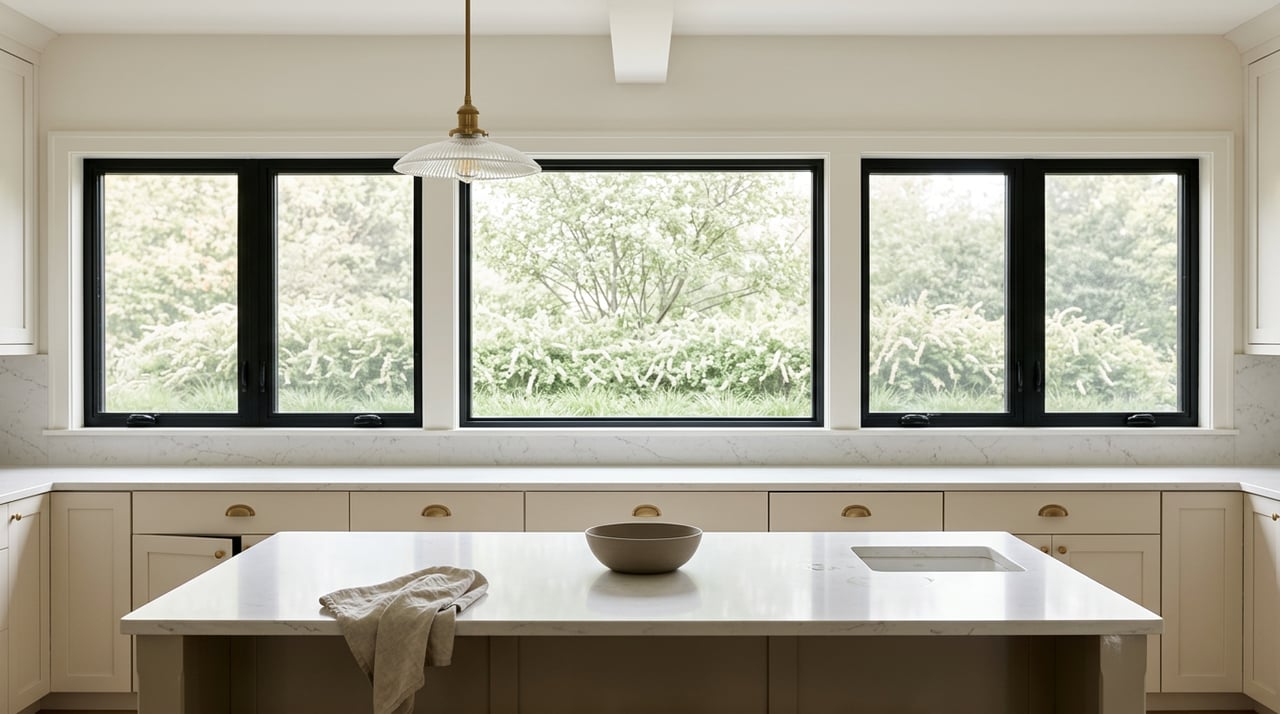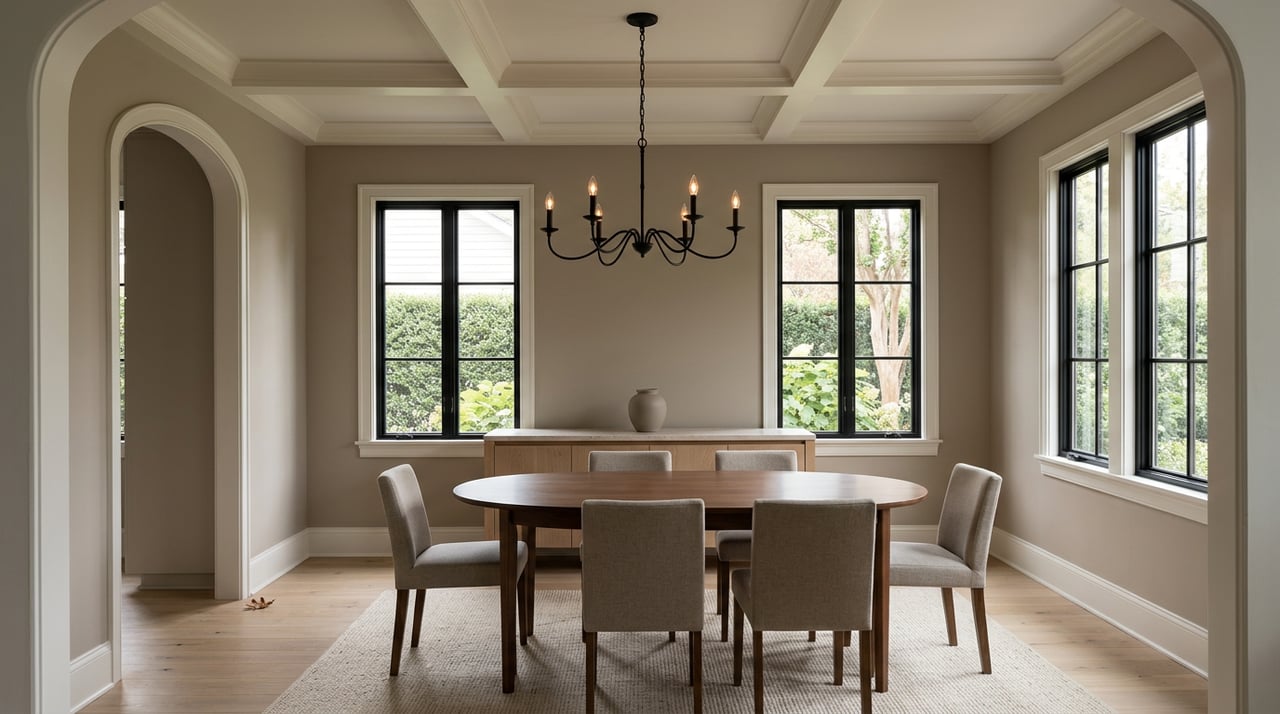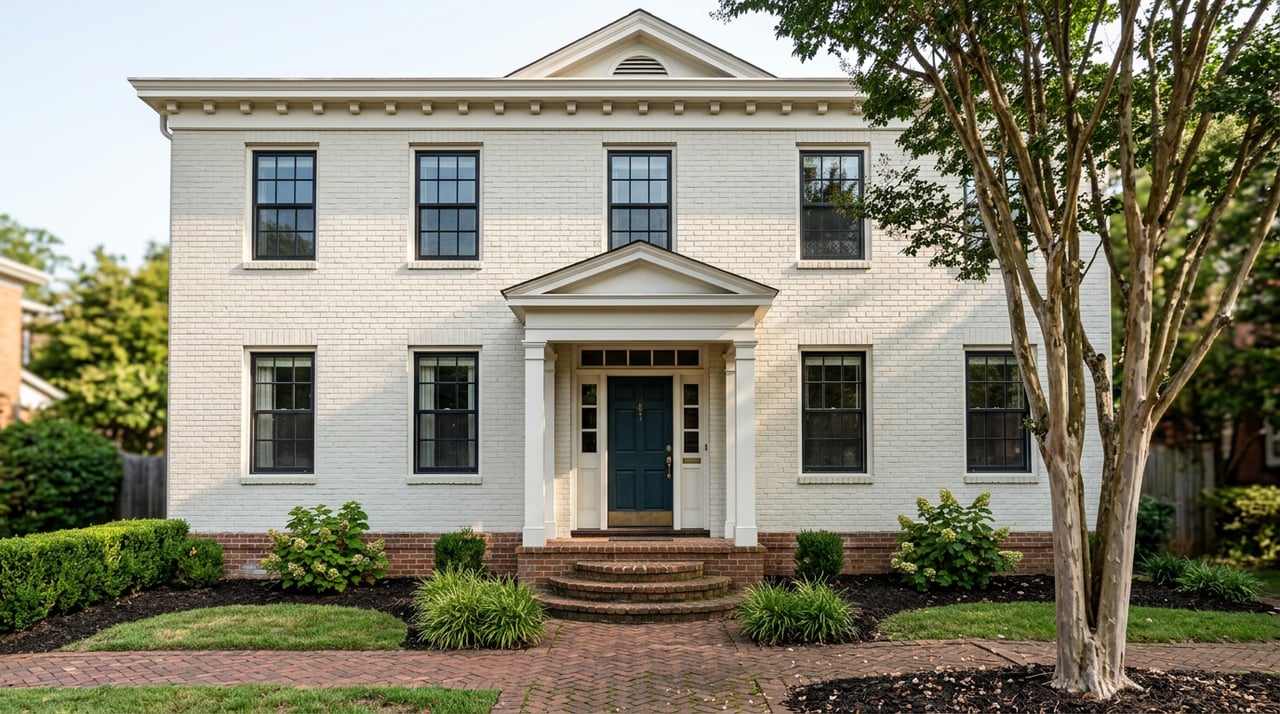
A home in Franklin's historic core will likely fetch more than almost anything else in the city per square foot. It will also likely sit longer before it sells. Those two facts sound like they should cancel each other out. A hotter price usually means a hotter market. In downtown Franklin, they run in opposite directions, and the reason has almost nothing to do with buyer appetite.
It has to do with a clock that starts ticking before a home ever gets a yard sign.
The Number That Doesn't Match the Price
Franklin's citywide market moved at a fairly brisk pace through 2026. Well-priced, well-presented homes across the city have been selling in roughly 22 to 30 days. Homes that are overpriced or need real work have stretched to 60 to 90 days or longer. That's the general rhythm of the broader market this year.
The historic core doesn't follow that rhythm. As of mid-August 2026, active listings in the official Historic Downtown Franklin boundary were averaging 94 days on market, well past even the slow end of the citywide range, with a median asking price of $1,697,000. Zoom out to the wider Downtown Franklin trade area, which includes streets just outside the strict historic overlay, and the picture shifts again: 401 closed sales over the trailing 12 months at a $675,000 median. The narrower, formally designated historic core recorded far fewer transactions, 36 over the same period, at a much higher $1,667,500 median.
Three numbers, three boundaries, three stories. That's not sloppy data. It's a reminder that "Franklin's historic district" isn't one market. It's a small, tightly bounded slice of the city where price and speed have decoupled, and the paperwork explains why.
| Market slice | Time window | Volume | Price | Days on market |
|---|---|---|---|---|
| Franklin citywide, well-priced homes | Year-to-date 2026 | — | — | 22-30 days |
| Franklin citywide, overpriced or deferred maintenance | Year-to-date 2026 | — | — | 60-90+ days |
| Downtown Franklin trade area | Trailing 12 months to mid-2026 | 401 closed | $675,000 median | — |
| Historic Downtown core, official boundary | Trailing 12 months to mid-2026 | 36 closed | $1,667,500 median | — |
| Historic Downtown core, active listings | As of Aug. 11, 2026 | 12 active | $1,697,000 median list | 94 days avg |
Where the Extra Time Actually Goes
Every home inside Franklin's Historic Preservation Overlay answers to the Historic Zoning Commission before certain exterior changes happen. The city calls the approval a Certificate of Appropriateness, and it isn't optional cosmetic sign-off. It's a substantive design review measured against the Franklin Historic District Design Guidelines, which lean on the Secretary of the Interior's Standards for the Treatment of Historic Properties.
The list of what needs a COA is longer than most sellers expect:
- New construction, additions, porches, and decks
- Window and door alterations or replacement
- Siding or masonry work beyond minor in-kind repair
- Roofing changes, dormers, and rooflines
- Fences, walls, driveways, and site lighting
- Mechanical equipment, skylights, and solar installations
- Partial or full demolition
A Middle Tennessee painting contractor who works this district regularly puts the typical COA timeline at 60 to 90 days from application to approval, driven by the review cycle itself and the documentation the Historic Zoning Commission expects to see before a color, a window profile, or a roofline gets a stamp of compatibility.
Read those two numbers side by side. Citywide, a struggling listing takes 60 to 90 days to sell. In the historic district, a seller can burn the same 60 to 90 days just getting permission to repaint the porch or swap a window before the home ever reaches the market. The days-on-market clock that buyers see on a listing doesn't capture the runway that happened before the sign went in the yard.
The Shortcut Almost Nobody Uses
Not every exterior fix triggers the full commission hearing. Franklin's preservation staff can issue an Administrative Certificate of Appropriateness for minor work that doesn't substantially change how a property looks from the street, particularly on rear or obscured facades. A non-historic rear door, an in-kind repair, a change that stays out of public view can sometimes clear staff review without ever going before the full Historic Zoning Commission.
For a seller racing a listing date, this matters more than it sounds. If pre-listing repairs can be confined to the back of the house or to true in-kind maintenance, the administrative path can save weeks the full COA process would otherwise consume. A preliminary conversation with the city's Preservation Planner, before a contract is signed with any tradesperson, is the fastest way to find out which path a given repair actually falls under.
Two Numbers Sellers Confuse
Two dollar figures come up constantly in historic renovation conversations, and sellers often mix them up.
The first is $25,000. In Tennessee, a homeowner can pull a building permit and do the work themselves below that threshold. Above it, a state-licensed contractor has to pull the permit, with a license and proof of insurance on file before the city issues anything. That threshold has nothing to do with the historic overlay. It applies everywhere in Franklin, but it collides with historic-district projects more often because materials-matching repairs on century-old buildings tend to run expensive fast.
The second number isn't a dollar figure at all. It's a date: 1978. Federal law requires sellers to disclose known lead-based paint hazards on any home built before that year and to provide buyers with the standard EPA and HUD lead information. If renovation work disturbs painted surfaces on a pre-1978 home, it has to follow EPA Renovation, Repair and Painting rules, which means hiring RRP-certified firms. Given that Hincheyville's homes date to around 1828 and much of downtown predates the mid-20th century, this disclosure applies to a large share of historic-district inventory, not just a handful of outliers.
The Tax Credit Everyone Assumes They Qualify For
A federal 20 percent Historic Rehabilitation Tax Credit exists, and it gets mentioned in almost every conversation about historic renovation. It's real, and it's also almost never available to the person asking about it. The credit applies to qualified rehabilitation expenses on certified historic structures used for income-producing purposes, commercial, rental, or similar. An owner-occupied primary residence generally doesn't qualify. Tennessee has offered targeted grant funding rather than a broad statewide credit as an alternative, administered through the Tennessee Historical Commission. Anyone budgeting a historic renovation around an assumed federal credit is budgeting around a benefit they likely can't claim.
Not One Market, Seven Districts
Franklin has seven separate locally designated historic districts, and they range wildly in size and character. Everbright Avenue Historic District covers just five parcels. The Franklin Road Historic District stretches nearly two miles north from downtown, following the Harpeth River past properties like Harlinsdale Farm and The Factory. Hincheyville, the city's first residential neighborhood, holds homes dating from around 1828 through the mid-20th century, spanning Federal, Greek Revival, Italianate, Queen Anne, and Craftsman styles.
Some of the addresses inside these boundaries carry their own names and histories: the Watson House, built in 1881, the Haynes-Harsha House, built in 1898, the Saunders-Marshall-Wright House, dating to 1805 as the original brick home in Historic Downtown Franklin. These aren't abstractions on a zoning map. They're the reason a buyer's earnest inquiry about "the historic district" often needs a follow-up question: which one, exactly, and what does that specific boundary require.
Building Your Calendar Backward
For a seller who wants to list a historic-district home without absorbing months of unplanned delay, the practical sequence looks like this:
- Confirm which of the seven local districts the property sits in, since design expectations vary by district character.
- Contact the city's Preservation Planner before signing any exterior repair contract, to find out whether the work qualifies for administrative approval or needs a full Certificate of Appropriateness.
- If a full COA is required, attend a Design Review Committee meeting early. Informal guidance here catches problems before they become a rejected application and a restart.
- Confirm the age of the structure. If it predates 1978, build lead-safe disclosure and RRP-certified contractors into the project scope from day one, not after a buyer's inspector raises it.
- Check project cost against the $25,000 threshold to know in advance whether a licensed contractor has to pull the permit.
- Set the listing date only after the COA and permit timeline is accounted for, not the other way around.
A home that clears this sequence before it lists competes on its merits. A home that skips it risks discovering mid-transaction that a recent window replacement or fence never got the required review, which can complicate financing, appraisal, or a buyer's confidence at the worst possible moment.
A Short FAQ
Does painting a historic home in Franklin always require a Certificate of Appropriateness? Painting a previously unpainted masonry surface does. Standard repainting of already-painted surfaces is treated differently, so confirm with the Preservation Planner before assuming either way.
Do all historic-district homes in Franklin need a pre-1978 lead disclosure? Only if the home was actually built before 1978. Given the age range across districts like Hincheyville, this covers a large share of the inventory, but not every property.
Can a homeowner do their own historic-district renovation work? Below $25,000, yes, with a notarized Homeowner's Affidavit on file before permits are issued. Above that threshold, state law requires a licensed contractor to pull the permit, separate from any historic review.
Where This Leaves a Seller
The historic district's price premium is real. So is its timeline. A seller who treats both as facts to plan around, rather than surprises to react to, is the one who lists on schedule and sells with confidence instead of explaining a stalled project to a buyer's agent.
Susan Salazar has spent more than twenty years working Franklin's market with a University of Tennessee design background that reads floor plans, finishes, and renovation scope the way an architect would, not just the way a listing sheet does. If a historic-district sale or purchase is on the horizon, start with a conversation and a Get Your Free Home Valuation from Susan Salazar before the calendar starts working against you.